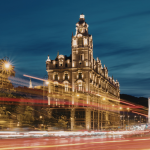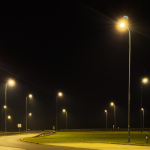

LED lighting has revolutionized the way we perceive and highlight urban architecture. In recent years, it has become a key tool for enhancing architectural elements in parks, monuments, and historic building, transforming public spaces and improving the aesthetic appeal of cities. If you’d like to learn more about how this type of lighting contributes to urban architecture, keep reading!
The Energy Efficiency and Versatility of LED Lighting
The energy efficiency and versatility of LED lights make them ideal for applications in urban environments. Unlike traditional light sources, LEDs consume less energy, last longer, and allow precise control over light intensity and color. This means urban designers and architects can create visually striking settings without compromising sustainability.
Main Benefits of LED Lighting in Urban Architecture
Understanding what makes LED lighting such a relevant and important element in urban architecture is essential to taking the step toward more sustainable lighting. These are its key benefits:
- Its ability to highlight specific elements of a building or monument. For example, by illuminating façades, columns, sculptures, or ornamental details, it’s possible to emphasize the unique features of a structure. The use of warm or cool LED lights creates visual contrasts that make architectural elements stand out both day and night, offering a dynamic visual experience.
- In urban parks, LED lighting serves both an aesthetic and practical purpose. By integrating LED lights into paths, plazas, and recreational areas, safety and accessibility are improved while also enhancing the urban landscape. LEDs also make it possible to create different atmospheres depending on the time of day or the event taking place from soft ambient lighting to brighter illumination for nighttime activities.
- In historic buildings, LED lighting plays a crucial role in preservation and heritage enhancement. Thanks to their low heat emission, LEDs do not damage surfaces or alter old materials, making them ideal for lighting monuments, churches, and palaces without risk of deterioration.
In short, LED lighting has established itself as an indispensable tool in modern urban architecture. Its ability to enhance aesthetics, highlight architectural details, and remain energy-efficient makes it an ideal option for designing public spaces that are both functional and visually appealing. At Asvitae, we specialize in transforming our cities into more vibrant and accessible urban settings. Get in touch with us for more information.