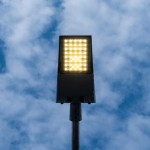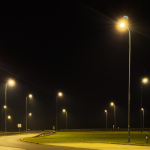

La iluminación LED ha revolucionado la forma en que iluminamos nuestros espacios, ofreciendo una alternativa más eficiente y duradera en comparación con las luminarias tradicionales. Este cambio no sólo ha impactado la eficiencia energética y los costes operativos, sino que también ha generado un impacto ambiental significativo. En Asvitae, empresa valenciana dedicada al alumbrado público y privado, estamos comprometidos con la sostenibilidad y entendemos la importancia de comprender y minimizar este impacto. A continuación te contamos lo que tienes que saber sobre el impacto ambiental de la iluminación LED. ¡Sigue leyendo!
Beneficios energéticos de la iluminación LED
Uno de los mayores beneficios ambientales de la iluminación LED es su eficiencia energética. Las luminarias LED consumen hasta un 50% menos energía que las incandescentes, lo que reduce la demanda de electricidad y, por ende, la generación de emisiones de gases de efecto invernadero. Esta reducción en el consumo energético se traduce en una menor carga para las centrales eléctricas y una disminución en la huella de carbono de los usuarios.
Aspectos a considerar sobre el impacto ambiental del alumbrado LED
Con el auge de la iluminación LED se deben tener en cuenta algunos aspectos importantes de su impacto en el medioambiente. Estos son algunos:
- Desafíos en la gestión de residuos: El impacto ambiental de las luces LED no es completamente positivo. Uno de los problemas emergentes es la gestión de residuos. Aunque las LED tienen una vida útil mucho más larga que las bombillas tradicionales, eventualmente se vuelven desechables. La acumulación de LEDs en vertederos plantea desafíos debido a los materiales utilizados en su fabricación, como el arsénico y otros metales pesados.
- Contaminación lumínica y su gestión: Las luces LED, debido a su alta intensidad y a la posibilidad de ajustar su brillo, pueden contribuir a un aumento en la contaminación lumínica si no se utilizan de manera adecuada. Esto afecta a la fauna nocturna y altera los ecosistemas. La estrategia de Asvitae incluye el desarrollo de tecnologías que permiten una mejor regulación del brillo y una distribución más eficiente de la luz, minimizando su impacto en el entorno natural.
- Impacto de la producción de LEDs: Implica un proceso de manufactura que requiere recursos naturales y energía. Aunque el impacto durante la fase de producción es menor comparado con el de las bombillas tradicionales, es importante que empresas como Asvitae continuemos innovando en procesos de fabricación más sostenibles y menos invasivos para el entorno.
Así pues, la iluminación LED representa una mejora significativa en términos de eficiencia energética y reducción de costes, pero también plantea desafíos ambientales que deben ser abordados con responsabilidad. Asvitae, con su compromiso hacia la sostenibilidad, está allanando el camino en la búsqueda de soluciones que maximicen los beneficios de la tecnología LED mientras minimizan sus impactos negativos.